

The Brainerd Animal Hospital Blog
Providing Services Since 1970 | MVMA Member | Emergency Care Available
Providing Services Since 1970
MVMA Member
Emergency Care Available
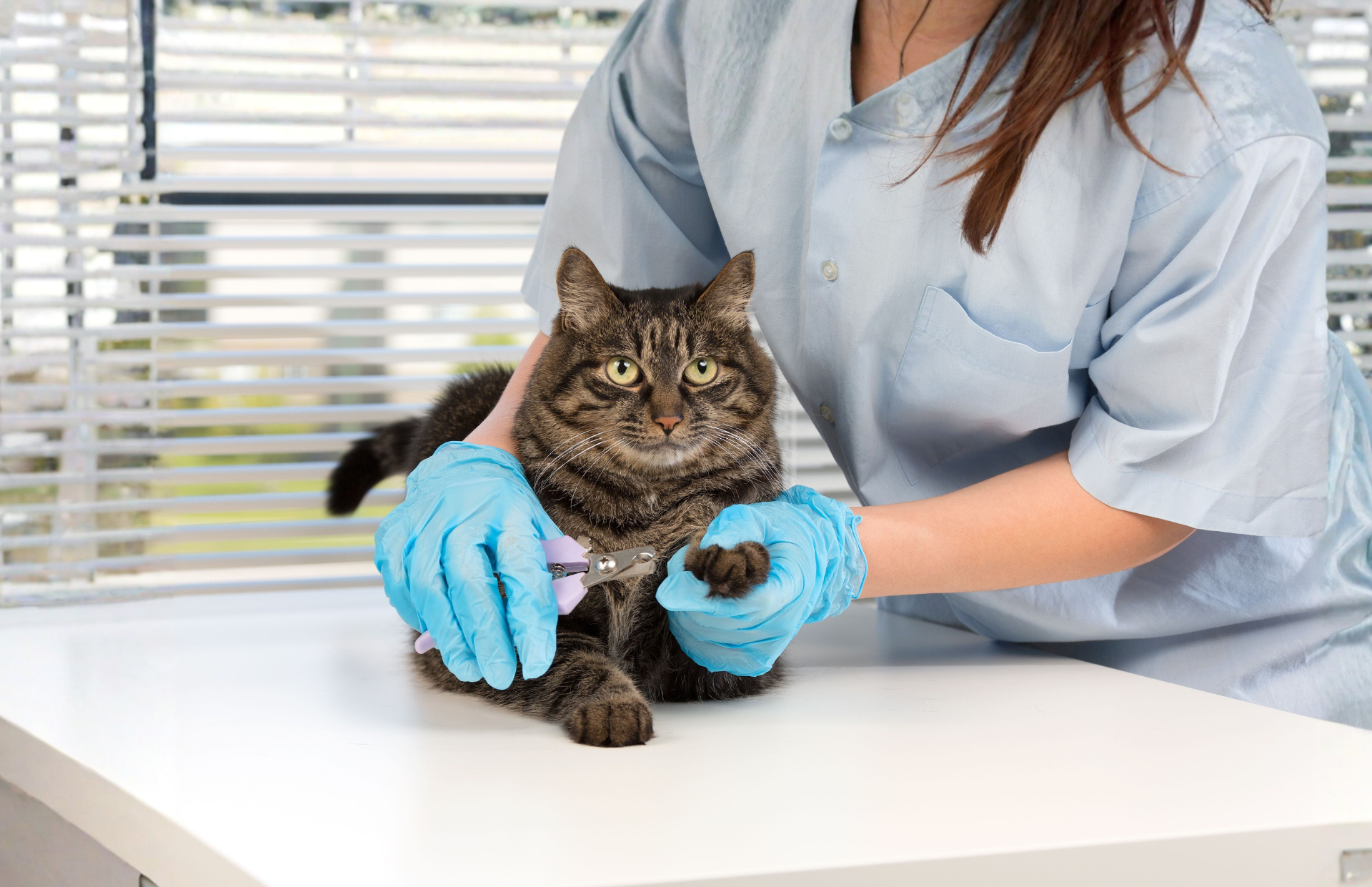
At our clinic, our goal is to help pet owners make informed, compassionate decisions about their pets’ care. We are frequently asked about declawing cats, and while we do offer this procedure, we strongly encourage clients to carefully consider the risks of declawing and explore safer, non-surgical alternatives first. Declawing, medically known as onychectomy, is often misunderstood. It is not simply the removal of a cat’s nails, but a surgical amputation of the last bone of each toe. Because claws are a vital part of feline anatomy, cat declawing should be viewed as a major surgical procedure rather than a routine or cosmetic one. One of the primary concerns with declawing is postoperative pain and medical risk. Although modern pain management can help reduce discomfort, cats may still experience pain during recovery. Potential complications include infection, delayed healing, and chronic pain from retained bone fragments. These long-term effects of declawing can significantly impact a cat’s overall quality of life. Declawing can also lead to behavioral changes in cats. Scratching is a natural feline behavior that allows cats to stretch, mark territory, and manage stress. When this behavior is removed, some cats become more anxious or defensive. Studies have shown an increased risk of biting in declawed cats, as they no longer have their primary means of self-defense. Another commonly reported issue is litter box avoidance. After surgery, digging in litter may be painful, causing some cats to eliminate outside the litter box. This behavior is often misunderstood but is frequently linked to discomfort following declawing rather than a training issue. Declawing may also affect a cat’s mobility and long-term joint health. Altering the structure of the toes changes how weight is distributed across the limbs, which may contribute to arthritis, joint strain, and decreased mobility as cats age. These effects may develop gradually but can have lasting consequences. Because of these concerns, our veterinary clinic places a strong emphasis on alternatives to declawing cats whenever possible. Regular nail trims, scratching posts, environmental enrichment, soft nail caps, and behavior counseling are often effective ways to manage scratching while preserving natural feline behaviors. In certain situations, declawing may still be considered after all alternatives have been discussed. When we do perform declawing procedures, we take extensive measures to prioritize pain control, careful surgical technique, and close postoperative care. If you are concerned about scratching behavior or are researching declawing for cats, we encourage you to speak with our veterinary team. Together, we can determine the best approach to support your cat’s health, comfort, and long-term wellbeing.
Share On: